
Warehouse Racking Protection: How to Prevent Damage & Stay Compliant
Warehouse racking damage is more common than most businesses realise — and often goes unnoticed until it becomes a serious safety risk.
From forklift impacts to overloaded beams, even minor damage can compromise structural integrity, increase liability, and lead to costly downtime.
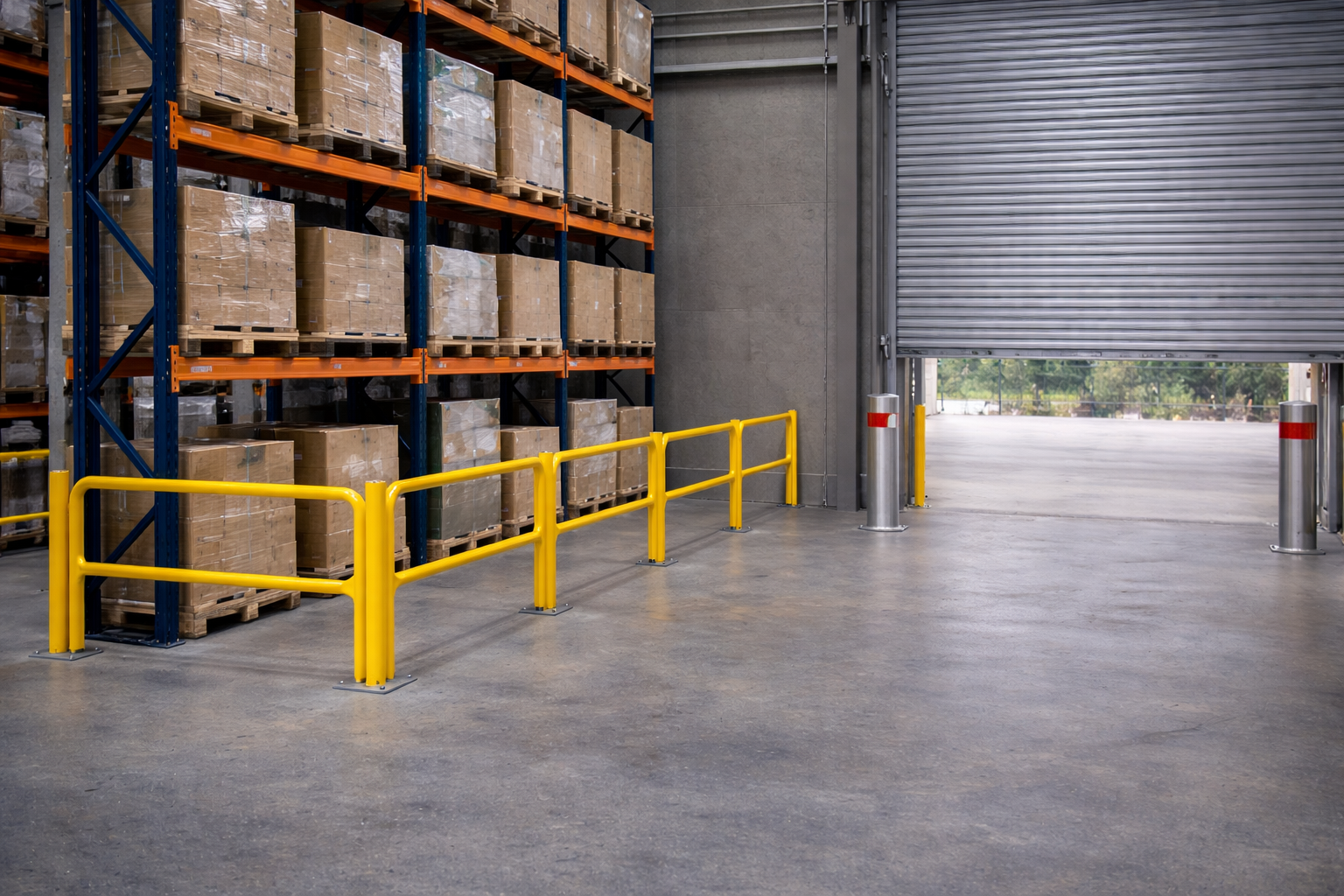
This guide explains:
The most common causes of racking damage
How to protect your system effectively
What compliance requirements you need to meet in Australia
Why Racking Protection Matters
Damaged racking isn’t just a maintenance issue — it’s a safety and financial risk.
Even small impacts can:
Weaken load capacity
Lead to progressive structural failure
Increase the risk of collapse
Put staff at risk of injury
There are also compliance implications. Businesses have a legal responsibility to maintain safe storage systems under workplace safety regulations.
In short: prevention is far cheaper than repair — or worse, an incident.
Common Causes of Racking Damage
Understanding the risks is the first step to preventing them.
1. Forklift Impacts
The most common cause of damage.
Tight aisles
Poor visibility
Operator error
2. Overloading
Exceeding load limits can:
Bend beams
Stress frames
Lead to long-term structural failure
3. Incorrect Installation
Poor setup or modifications can create weak points in the system.
4. Wear and Tear Over Time
Even without impacts, systems degrade if not maintained properly.
Types of Racking Protection Systems
Different areas of your warehouse require different protection solutions.
Upright Protectors
Installed at the base of frames
Protect against forklift impact
One of the most essential safety upgrades
End-of-Aisle Barriers
Prevent damage in high-traffic zones
Protect entire racking rows
Guard Rails & Safety Barriers
Separate equipment from racking
Ideal for busy forklift areas
Column & Post Protectors
Used around structural columns
Prevent building damage as well as racking impact
How to Identify High-Risk Areas in Your Warehouse
Not all areas require the same level of protection.
Focus on:
High-traffic forklift zones
Narrow aisles
Loading/unloading areas
End-of-aisle positions
Areas with previous damage
If damage has happened before, it will happen again without intervention.
Compliance & Safety Requirements in Australia
Warehouse operators must ensure racking systems are:
Structurally sound
Regularly inspected
Used within load limits
Key responsibilities include:
Conducting routine inspections
Addressing damage immediately
Ensuring systems meet Australian Standards
Failure to comply can result in:
Fines
Workplace incidents
Insurance complications
The Cost of Not Protecting Your Racking
Many businesses delay installing protection — but the real cost is often much higher.
Without protection, you risk:
Frequent repair costs
Operational downtime
Damaged stock
Safety incidents
Potential legal liability
A single major incident can outweigh the cost of prevention many times over.
Best Practices for Preventing Racking Damage
To reduce risk and extend the life of your system:
Install protection in high-impact areas
Clearly display load limits
Train forklift operators regularly
Conduct routine inspections
Act on damage immediately
How Unirack Protect Can Help
At Unirack Protect, we focus on practical, effective safety solutions tailored to real warehouse environments.
We help businesses:
Identify high-risk areas
Implement the right protection systems
Improve compliance and safety standards
Reduce ongoing maintenance and repair costs
Whether you’re upgrading an existing warehouse or planning a new fitout, the right protection strategy makes a measurable difference.
Get a Warehouse Safety Assessment
If you're unsure about the condition of your current system, a professional assessment is the best place to start.
Contact us today to book a warehouse safety review or request a protection plan.