
Safety Railing – What It Does
If you’ve got people and moving equipment in the same space, you need clear separation.
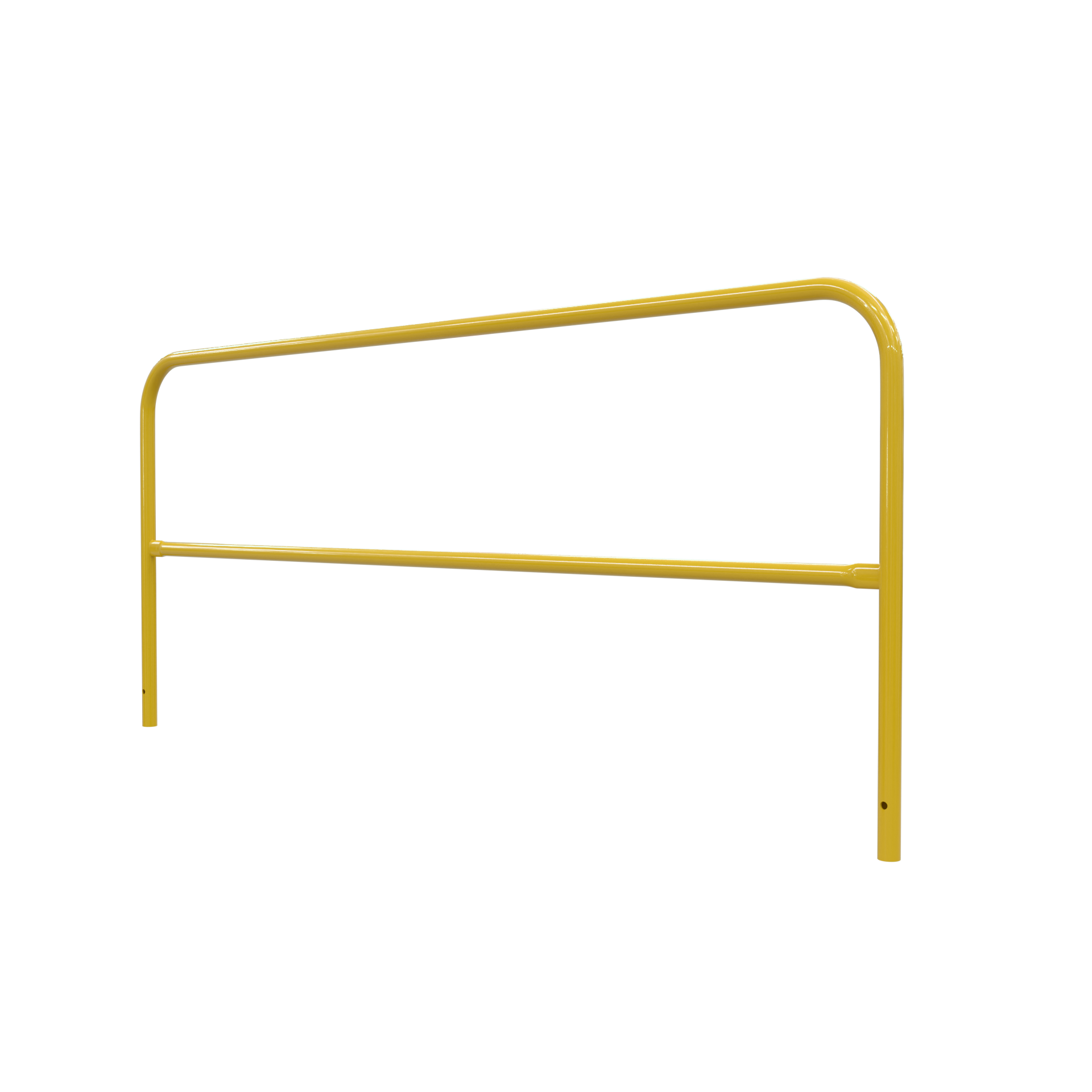
Safety railing is a simple way to create a physical barrier — stopping people from entering dangerous areas and protecting equipment from accidental impact.
Where It’s Used
You’ll typically see safety railing around:
Walkways
Machinery
Loading docks
Warehouse traffic areas
Factory zones
Anywhere there’s a mix of pedestrians and moving equipment.
How It Works
It’s a fixed steel barrier that defines where people can and can’t go.
Creates a clear visual boundary
Physically blocks access to hazardous areas
Helps guide foot traffic safely through a site
Simple, but very effective.
What It’s Made From
Heavy-duty steel pipe construction
Designed for industrial environments
Built to handle bumps, knocks and daily wear
This isn’t light-duty — it’s made for warehouses and factories.
Installation Options
There are two common ways to install it:
1. Socket Install (Removable Option)
Insert railing into pre-installed sockets
Ensure a tight fit with no gaps
Check stability after installation
Good if you need flexibility or occasional removal.
2. Base Plate Install (Fixed Option)
Position base plates on concrete
Align holes and bolt down securely
Make sure surface is clean before fixing
Best for permanent setups.
Why It Matters
Without proper barriers:
People wander into unsafe areas
Equipment gets damaged
Risk of accidents goes up
Safety railing is a simple fix that reduces all three.
Quick Example
You’ve got a forklift operating near a picking area.
Install safety railing to:
Separate the walkway
Protect staff
Keep traffic flowing safely
That’s It
It’s not complicated — just solid steel barriers in the right places to keep people safe.